
By David LaMotte
Almost anyone who has worked in international development has seen examples of that work being done both very well and very poorly. I suspect that the people who would say that they have not seen both might suggest that they have only seen it done poorly.
When you set off to engage in work that is going to have impact on someone other than you, I think it’s a good idea to seek out mentors and do all that you can to learn from others’ failures and successes in order to lean toward more of the latter and fewer of the former. In other words, it’s good to focus on attention as well as intention. I am so grateful to have had mentors like Dennis Smith and Karla Koll to guide me in the early years of our work in Guatemala, but my greatest mentors were our Guatemalan partners who were and are doing wonderful work in their own communities.
It is inherent to systems that tend to center certain categories of people and marginalize others that the folks in who are centered have a hard time seeing those systems and how they operate. It’s just easier to see what is happening from the edge. So if I find myself in a system like that, which I usually do, I have to be extra intentional about listening to and following the people most directly affected by the function and dysfunction of those systems.
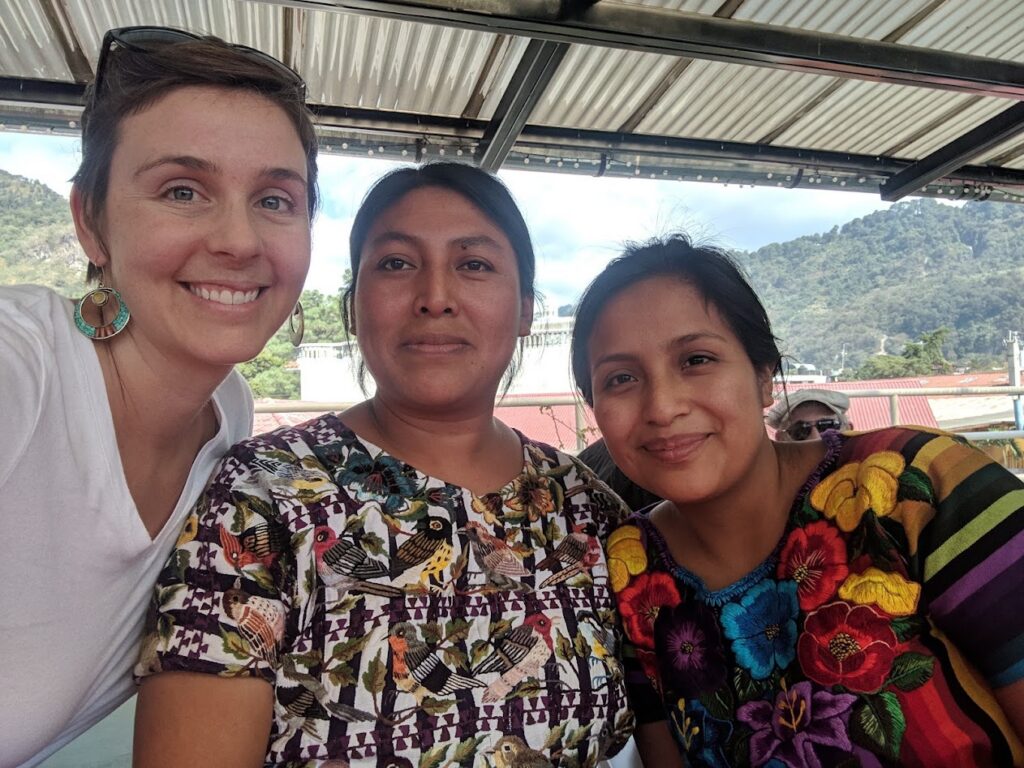
The team at Senderos makes a great effort to be guided by our Guatemalan partners, who know more about the challenges of their own students and their communities than we will ever understand. It’s why the Brillaguate program is now beginning to support small scholarships for graduates who continue their education at universities, and job placement for students who are entering the job market after graduation, for example. It’s why the lunch program at Escuela David LaMotte in Tzanchaj receives so much priority, and why that school is adding fourth grade this year.

When we are bringing funding into a community, it is natural for local partners to defer to our priorities and judgments about the best way forward, but we make a great effort to turn back to local partners for guidance, and to support their approaches to caring for their own neighbors.
Of course, over 22 years of working there, we have made our own missteps, but on the whole, I feel good about the shape of our partnerships and the balance in how we have approached the work. Long years of working together have established a level of trust that has served children in Guatemala very well.
And we are grateful for friends who have come to trust our work over the years, as well. Thank you for being among those people, and for caring about our friends. We are proud of what we have done together so far, and we look forward to seeing what the years of partnership ahead can teach us.